
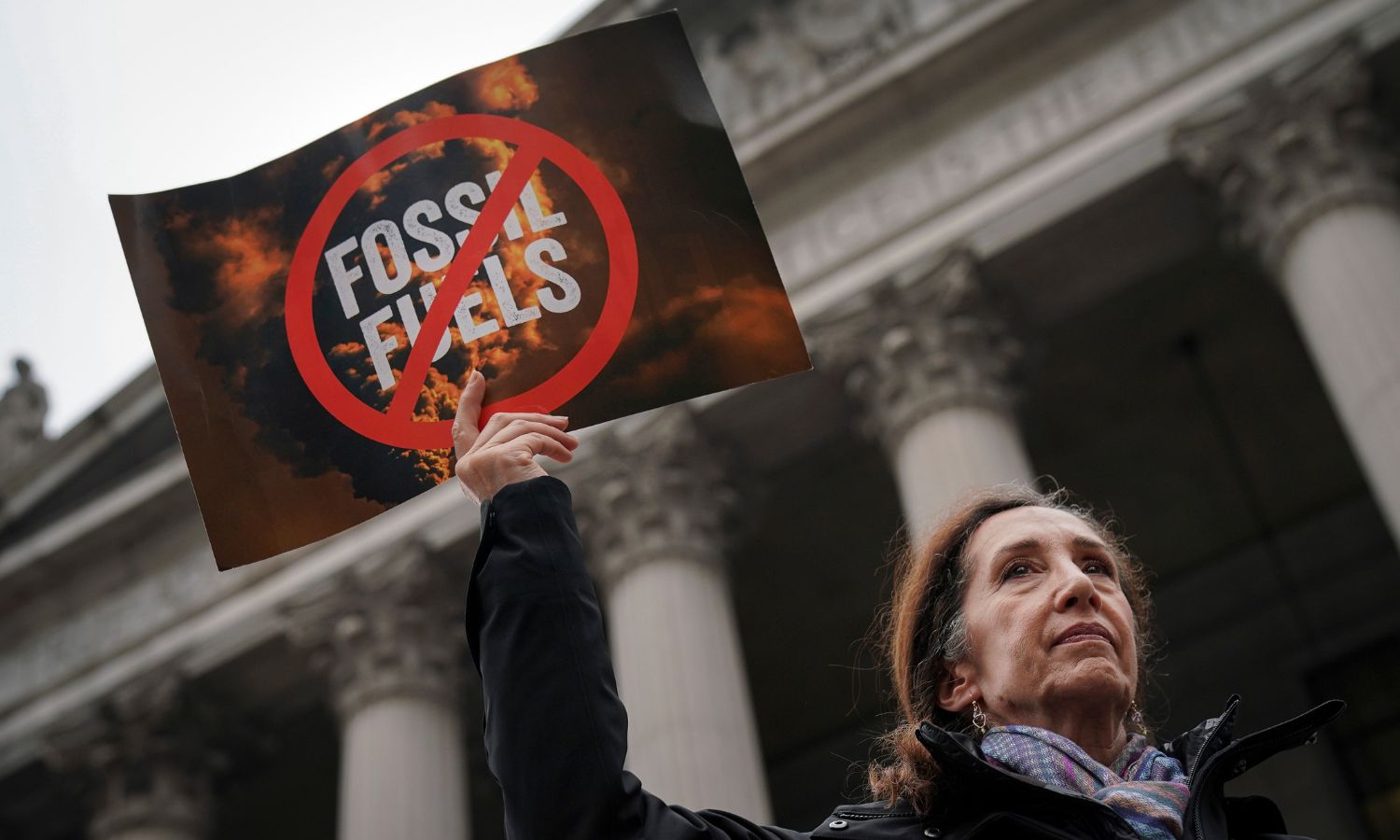
A Senate inquiry in Australia has heard new evidence suggesting that public relations and advertising firms have played a major role in spreading climate misinformation on behalf of fossil fuel companies. The hearings, which began this week, are examining how misleading claims about clean energy and the environment are influencing public opinion and political debate. Testimony from researchers and climate communication experts pointed to a coordinated effort by oil, gas, and coal interests to obstruct climate policy through misinformation campaigns designed to slow the shift toward renewable energy.
Experts appearing before the inquiry said much of the misinformation circulating online and in the media comes from campaigns funded by the fossil fuel industry and executed by PR agencies. False claims such as offshore wind farms killing whales, electric vehicles being more fire-prone than petrol cars, or “natural gas” being a clean alternative to coal have been repeatedly debunked by scientists. However, experts warned that their continued repetition erodes public understanding of climate science and weakens support for policy measures. Misinformation, they said, works by repetition—when falsehoods are seen or heard often enough, they begin to feel true.
Researchers highlighted that these campaigns are not random or isolated. They are part of a deliberate strategy to create confusion and give the impression that there is strong public opposition to climate action. By inflating perceived divisions, misinformation gives policymakers a distorted sense of what voters actually believe. Witnesses compared the current tactics to those once used by the tobacco industry to downplay the health risks of smoking. Just as cigarette advertising was banned because it promoted a deadly product, several advocacy groups are now calling for restrictions on fossil fuel advertising, arguing that it poses similar risks to public and environmental health.
The inquiry also heard detailed examples of how PR and advertising firms operate. These agencies go far beyond traditional marketing—they run polling operations, manage focus groups, and craft social media narratives that appear spontaneous but are strategically coordinated. Some firms engage in what experts call “astroturfing,” where fake community groups are created to appear as genuine public movements. In reality, these groups are often funded and managed by corporate interests seeking to influence public debate.
International evidence presented to the inquiry shows that these practices are widespread. A study of US tax filings between 2008 and 2018 found that oil and gas lobby groups spent around 1.5 billion dollars on public relations and advertising campaigns. One of the most notable examples was the “Energy Citizens” campaign during the 2012 US presidential election, which encouraged Americans to “vote for domestic energy.” While the campaign appeared grassroots, it was later revealed to have been orchestrated by the American Petroleum Institute and executed by the global PR firm Edelman. The supposed “citizens” featured in its advertisements were in fact paid actors, and Edelman received 180 million dollars in contracts for its work.
Australia has faced similar challenges. PR firms were central to the coal industry’s campaign that helped derail an emissions trading scheme between 2008 and 2010. Due to limited disclosure requirements, there is little public information about how much money fossil fuel companies spend on public relations in Australia. However, investigative reports have linked PR firms to groups such as Australians for Natural Gas, which presents itself as an independent advocacy organisation but was reportedly set up by the chief executive of Tamboran Resources with the help of PR agency Freshwater Strategy.
The communications watchdog group Comms Declare has documented dozens of examples of Australian PR firms producing campaigns for fossil fuel clients, often portraying them as environmentally responsible. In response, a growing number of PR professionals have begun calling for the industry to sever ties with polluting sectors. Last year, United Nations Secretary-General António Guterres urged PR and advertising firms to “stop acting as enablers of planetary destruction,” warning that their work for fossil fuel interests undermines global climate goals.
The issue has become increasingly urgent. The Australian government recently released a major report outlining the accelerating dangers of climate change, including extreme heat, bushfires, and coastal erosion. Experts told the Senate inquiry that as the physical impacts of climate change intensify, misinformation campaigns are becoming even more aggressive, targeting clean energy initiatives and environmental regulation. They warned that this could erode trust in climate science just as strong public consensus is needed to support new policies.
The Senate inquiry’s findings are expected to shape future recommendations on advertising transparency, lobbying disclosures, and the regulation of climate-related communications. Lawmakers are now considering whether fossil fuel advertising should face restrictions similar to those imposed on tobacco. As one researcher told the committee, “The climate crisis is worsening, but so is the information crisis that surrounds it. Unless governments act to protect the public from deliberate misinformation, we risk fighting the wrong battles while time runs out.”
